The Art of Theater a Concise Introduction Greek and Roman Stages
1. Introduction
In ancient drama the term used for scenery is opsis, as Aristotle mentions in the Poetics. Opsis has to practise with a wide variety of elements relating to the skene (phase building), such equally their ornamentation and infrastructure, the positions of the actors, or the props used in performances. Although Aristotle's text was written at a time when the Theatre of Dionysus in Athens was undergoing its terminal construction phase during the Hellenistic Era (334/330 BC, at the same time as its reconstruction in stone under Lycurgus), it gives us quasi direct insights into the theatrical world of the Classical Era. All the other references to the atmospheric condition of those performances (the accounts by Pausanias, Plutarch and Strabo, the descriptions past Julius Pollux, Vitruvius' analyses and Horace'due south comments, as well as the depictions on vases) are indirect data from after periods. In reality, the texts that have survived from the dramatic output of the 5th and quaternary centuries BC establish the only authentic records of the functioning requirements of Classical drama [ane]. As a upshot, the present study draws data on the form and evolution of the skene from the dramas of the classical menses, combined with archaeological, architectural and audio-visual findings.
Notwithstanding, the precise position of the opsis behind the orchestra, the length, width and height of the scenery, and the possible installation of a raised proskenion are all complex, thorny issues which have turned Classical theatre into a highly controversial subject [two] (p. 376), [3] (p. 27), [iv] (p. 259), [five] (p. 142).
During the last few years, there has been a bulk of inquiry on aboriginal theatre acoustics. The near common method used for studying the acoustic behaviour of ancient theatres combines on-site measurements and computer simulations. The software nigh ordinarily used in such reckoner simulations is CATT and ODEON, although use is likewise made of EASE, RAYNOISE and OTL-Terrain. The data from the acoustic measurements are used to weigh upwards or evaluate the results of the simulations. Various hypothetical scenarios are studied (such equally the influence of the audience, the ancillary use of loud speakers, skene installations and scenery) [half-dozen,seven,8,9,10,11,12,13,14,xv,xvi,17,18,19]. This is oft followed past a detailed test of the furnishings of natural frequencies and diffraction on individual architectural elements (particularly resonators) [half dozen,20,21]. A rather restricted corporeality of research focused specifically on the acoustic contribution of the stage by comparing theatres with unlike blazon of stage ruins [22], past assessing the impact of noise barriers and background scenery wall for optimum performance conditions [23], or by proposing and evaluating the impact of different breathtaking elements aiming to plant guidelines for phase pattern [vi,24,25].
Yet, with regard to the bachelor software, concerns accept been recorded well-nigh its suitability in terms of its capacity to take into account or assess the importance of the special characteristics of the ancient theatres, or the furnishings of outdoor noise in the modernistic environment [26,27].
To a lesser extent, use is made of scale simulations which are used to investigate and assess the acoustic properties of building materials, equally well equally additional acoustic phenomena in ancient theatres, such as diffraction [28,29]. In connexion with this, correlations are fatigued between diverse functional parts of ancient Roman theatres (e.thou., the wall of the skene, the perimetric passageway around the amphitheatre, the slope of the cavea, the add-on of scenery or an ancillary microphone installation) [30]. Some researchers also investigate to a limited extent the subjective criteria of the acoustic quality of theatres by using questionnaires distributed to the spectators of performances or listeners of recordings. Finally, listening tests are too carried out on sound information produced by software programs in varying audio absorption conditions [31,32,33,34,35].
A express amount of research has been carried out on the furnishings of environmental noise during the contemporary use of ancient theatres, the nature and the characteristics of nuisance sources and the monitoring of dissonance levels in the surrounding environments of ancient theatrical monuments. The findings of this research highlighted the impact of environmental racket on contemporary performances and emphasised the acoustic contribution of the scenery for the re-use of ancient theatres [26,36,37]. By coincidence, all of these studies examined the theatre of Philippi and its soundscape. Chourmouziadou and Kang (2011) estimated that traffic noise could exist avoided by the awarding of a scenery which could reduce SPL past 5dB and amend the performance conditions due to early reflection distribution. Additionally, they proposed that a bulwark almost the source could restrict noise by reducing direct sound [26]. Barkas (2004) and Barkas-Vardaxis (2011) take calculated that the positive contribution of the scenery reflector is min +three to +5 dB, and the reduction of the environmental racket due to the barrier of the scene is min −2 to −four dB, namely a total of min +6.5 dB in the acoustic comfort [36,37]. According to all authors, such applications, with adaptations to the specific local conditions, could be used for other archaeological sites with similar results.
Given the above, the present newspaper attempts to demonstrate the acoustic contribution of the scenery in terms of improving the acoustic comfort in gimmicky performances of ancient drama. Data from a wider, long-lasting inquiry on a sample of 20 (twenty) ancient theatres in Hellenic republic were used, focused on the positive role of the scenery.
Withal, to study the audio-visual contribution of the skene, it is necessary to define the grade of the scenery in the original conditions, significant during the classical Era.
2. The Evolution of Skene during the Classical Era
In the early on 5th century, when the cult of Dionysus was formally established in Athens, a sanctuary to Dionysus was laid out at the human foot of the Acropolis, and next to it was created a circular threshing-floor for devotional performances. Originally, the spectators gathered on temporary tiered wooden benches (ikria) on the south slope. However, following the plummet of the ikria (in theatre games held between 499 and 496 BC) with large loss of life, the Athenian land created a safe and permanent theatre in the sanctuary of Dionysus, a evolution that marked the birth of the Athenian or Attic Theatre of the Classical Era. The theatre of Dionysus is considered every bit the basic model for all the other theatres of the Artifact, in Greece, in Sicily and Italy, in Asia Pocket-size, and in all the Mediterranean area. Furthermore, this was the place where all ancient dramas were performed and the model of the theatrical space for all Athenian poets [38].
The functional parts of this theatre building in the early on Classical Era were equally follows:
-
the orchestra/threshing-floor (with a radius of approximately 12 m) on a fill up in the lowest flat opening;
-
the thymele, an chantry to Dionysus on a stepped base of operations in the orchestra;
-
the pranes, a supporting wall approximately 2.5 yard high behind the make full which separated the orchestra from the sanctuary and concealed a roughly constructed theatre storeroom (the actors' dressing-rooms);
-
the parodoi, side-entrances affording access for the public, the chorus and/or the actors betwixt the retaining walls of the cavea and the natural ground of the sanctuary;
-
the koilon or cavea, with tiers of seats for the spectators, either made of forest or hewn out of the rock, arranged concentrically around the orchestra and laid out in an arc of 240° on the natural slope of a hill [39] (pp. 30–35), [twoscore] (pp. 40–44).
If we identify the dramas surviving from the Classical Era (44 tragedies and comedies) in chronological order, we detect that the references to the drama infinite begin with allusions and gradually evolve into articulate, detailed descriptions [38,41,42,43,44]. Aeschylus' early work, therefore, required an indeterminate setting, with an altar or mound, while the thymele ensured that actors could stand out clearly higher up the chorus or every bit a counterpoint to the appearance of a chariot (Persians, Seven Against Thebes, The Suppliants).
Figure 1 presents the relative connection among the orchestra/threshing-floor, the pranes and the onetime temple according to Doerpfeld [ii]. The acme of the onetime temple and the possible presence of a small storeyroom (a dressing room for the actors) in a lower level behind the pranes are given by interpretation [39].
The first substantial breakthrough in the representation of theatre infinite appears in the prologue of Aeschylus' trilogy, when the watchman appears on the roof of the palace, sees the light signalling the autumn of Troy and runs to announce the good news inside the building, while Clytemnestra silently emerges from information technology in order to offer sacrifices. These movements bespeak a phase with a number of conventional possibilities, equally the activeness acquires physical boundaries and the performance space fabric form, distinct areas and a clear setting. This composite representational part marks the offset of an evolutionary procedure in phase pattern which broadened the representational possibilities of the conventional space, increased the functional requirements of stage infrastructures and created new acoustic conditions [1].
As excavations in the expanse of the cavea at the Theatre of Dionysus accept revealed, successive layers on the south gradient (laid betwixt 460 and 440 BC) created a steeper incline in the cavea and increased the theatre's capacity. A new orchestra (with a radius of approximately ix.ix yard) was formed within the orchestra/threshing-floor and was moved closer to the auditorium, leaving a free space behind it facing downhill, in which a wooden stage framework with scenery was installed (beyond the central axis of the cavea). This served to focus the dramatic involvement behind the orchestra, separated the visible façade of the skene from its invisible rear and provided a tall support for the roofing [2] (p. 130), [3] (pp. 27–31), [45] (p. 15), [46] (p. 66), [47] (p. 10).
Effigy 2 presents a roughly crafted stage (theatrical storeyroom) backside the new orchestra (in the free space of the old orchestra/threshing-floor co-ordinate to Allen [3]. The dimensions of the phase façade, and the height of the new temple are given by interpretation [44]. The walls of the stage are wooden, the roof is covered with tiles. The position of the koilon and the walls of the side-entrances (analemata) according to Doerpfeld [2]. The exact configuration of the wooden benches, on the given tilting of the koilon, remains unclear.
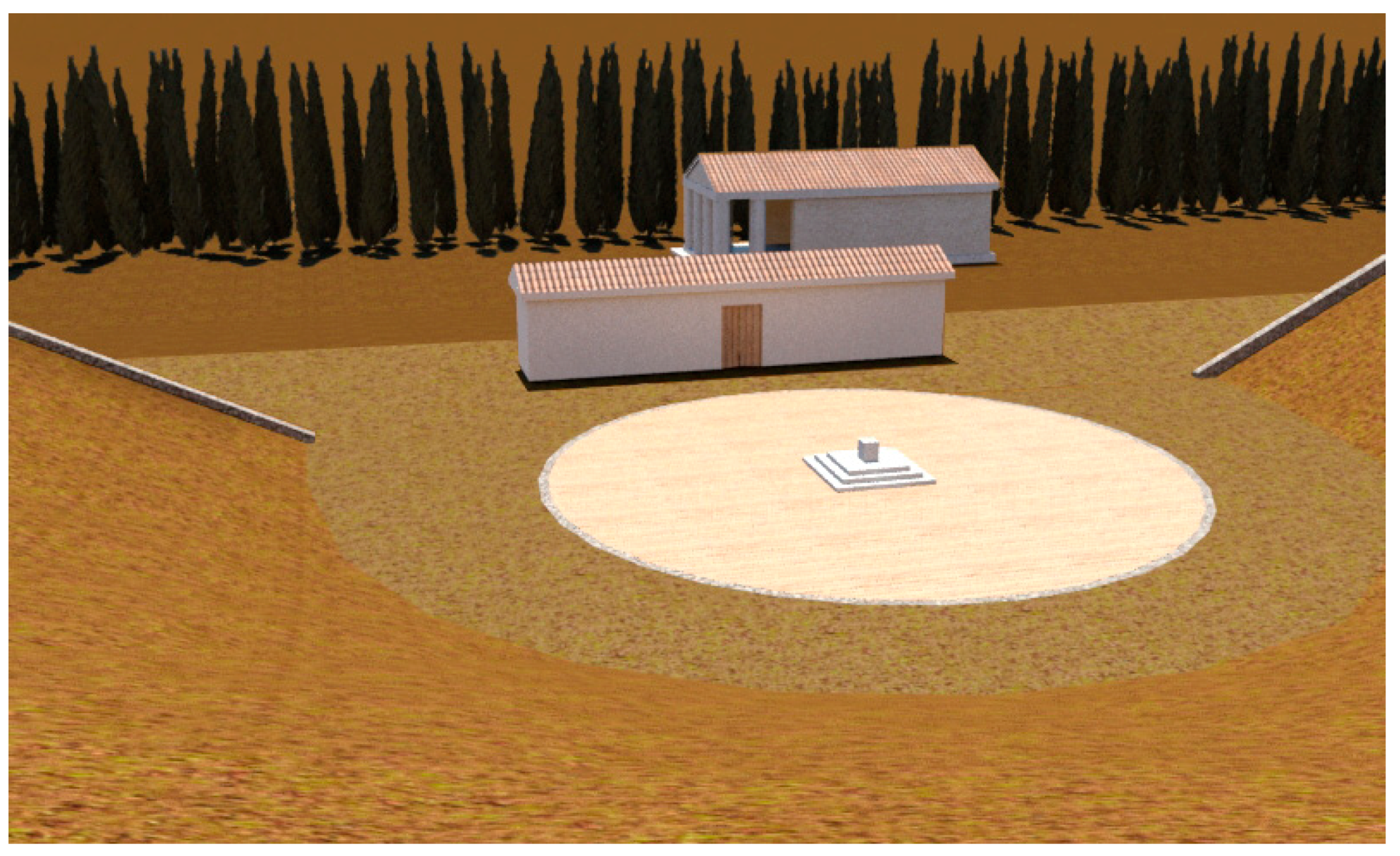
During Athens' bang-up construction blast (betwixt 449 and 429 BC, nether the dominion of Pericles) corking changes took identify in the precincts of the Theatre of Dionysus (such as the construction of the Odeion in the upper eastern department of the hollow in which it lay, and the construction of the rock retaining walls of the outer terraces and the staircases leading from the horizontal diazoma). In the surface area of the skene, the paraskenia were created-new theatre storerooms which projected from either side of the stage fix-and formed (in the shape of a Π) a proskenion at ground-flooring level [38] (p. fifty), [41] (p. 68), [48] (p. 55).
The extension of the skene (across the chief axis of the theatre), and the formation of numerous openings in information technology, constituted a second development apropos the functional possibilities of the skene infrastructure during the Classical Era. The use of one and (necessarily) only one doorway for movement of the actors and the ekkyklema (a kind of removable raft) between the front and rear sections of the skene as well appears for the first fourth dimension in the Oresteia and more specifically in The Libation Bearers, during the episode in which a series of murders takes place inside the palace. In later years, the existence of a single opening in the scenery is pointed out deliberately in moments of drama where the doorway is supposedly airtight or blocked for some reason (until about 427/425 BC) in Alcestis, Hippolytus, Andromache and Oedipus the Tyrant. Patently, during quite a long menstruum (nigh thirty years) after the introduction of scenery, the lengthening of the skene led to the establishment of a new convention through the incorporation of the paraskenia into the stage buildings and the apply of their openings equally auxiliary doorways for the movements (not mentioned in the texts) of the prop masters. Finally, the paraskenia, every bit parts of the skene infrastructure, were incorporated into the stage pattern (later 430 BC), permitting the representation of lateral buildings with independent doorways next to the central phase building (Andromache, The Acharnians, Oedipus the Tyrant, Herakles, Clouds, Peace, The Trojan Women, Lysistrata, Philoctetes, The Bacchae, Frogs, Ekklesiazousai) [ane].
Effigy 3 presents the stage set with the lateral buildings (paraskenia) and the proscenium between the orchestra and the stage according to Allen [3]. The flooring program dimensions of Π according Allen'due south theory of the two orchestras [3]. The tiptop and the roofing of the lateral buildings are given by estimation [i]. The walls of the stage are wooden, the roof is covered with tiles. The position of the koilon and the walls of the side-entrances (analemata) according to Doerpfeld [2]. The exact configuration of the wooden benches, on the given tilting of the koilon, remains unclear.
One of the virtually notable architectural developments in the skene infrastructure (during the menstruum of the Peace of Nicias, 421–415 BC) was the construction of the skenotheke (backside the skene), a building buttressed by the so-called "Foundation T", the stone base at the level of the orchestra that facilitated the rolling-out of the ekkyklema and supported the weight of a small wooden propylon in the centre of the stage. On either side of this base of operations ii symmetrical, matching rows of conical rock apertures were synthetic (similar to those found in the Classical ruins of the theatres at Pergamon, Oropos and Corinth), which housed the supporting beams of an all-encompassing, two-storeyed wooden skene [2] (p. 150), [3] (p. xv), [47], (p. 15). In the dramatic output of the following period, this secure phase installation fabricated it possible to phase certain creative performances of a symbolic and abstract nature, as can be seen in the prologues of Sophocles and Euripides (Ion, Herakles, Iphigenia in Tauris, Helen, The Phoenician Women, Orestes), where there are numerous verbal descriptions of the structure representing a propylon before the central doorway of the stage set, on a distinctly higher level in the expanse of the proskenion that was 2–iii steps in a higher place the orchestra (Ion, Philoctetes, Wasps, Lysistrata, Ekklesiazousai) [1]. In other words, it appears that in a slow and conservative process that lasted for about fifty years and involved a serial of changes and gradual modifications, the temporary skene structures somewhen evolved into a wooden installation with a relatively loftier propylon earlier the central doorway and another two lateral doorways in the facades of the paraskenia, the episkenion in the superstructure and the theologeion on the roof [49].
This third major development concerns the upward extension of the skene. The plays that have survived from the decades post-obit the Oresteia contain a multitude of divinities or supernatural creatures (Ajax, Medea, Andromache, Hippolytus, Herakles, Euripides' The Suppliants) that appear (with or without the help of a stage car) on the span roof of the stage building. This high position-which later came to be called the theologeion—served for the (most exclusive) appearances of divinities that formed a typical ending to dramas (Iphigenia in Tauris, Helen, Euripides' Electra, Philoctetes, Iphigenia in Aulis).
Subsequently, however, literary references of this kind reveal the employ of nonetheless another distinct level—which later came to exist known as the logeion—on the first storey of the stage building. In other words, it appears that the gradual separation of the actors from the chorus and their confinement to the proskenion led to the dramatic action taking place, either sequentially or simultaneously, on the three successive levels of the stage building (Wasps, Peace, Lysistrata, The Phoenician Women, Orestes, Ekklesiazousai, Rhesus) [1,49]. This form of stage blueprint ultimately crystallised into the stone stage building that was incorporated into the definitive reconstruction of theatres that took place in the Hellenistic Surface area (338–326 BC) [ii] (p. 28), [46] (p. 70).
Figure 4 presents the two-storeyed wooden skene with the slightly elevated propylon in the central doorway of the basis flooring and the episkenion in the superstructure according to Flickinger [46]. The front end part of the paraskenia was designed by combining the theories of Fiechter [45] and Doerpfeld [2]. The flooring program dimensions of stage were fix co-ordinate to Doerpfeld's theory for the two rows of foundation holes in front of the skenotheke building [two]. The height of the paraskenia, the storeys, and the roof are given by estimation. The walls of the stage are wooden, the roof is covered with tiles. The basement of the propylon in made with pieces of marble. The position of the koilon and the walls of the side-entrances (analemata) according to Doerpfeld [two]. The exact configuration of the wooden benches, on the given tilting of the koilon, remains unclear [45].
iii. The Acoustic Design of Ancient Greek Theatres
Ancient Greek theatres, unlike Roman ones, made empirical use of the slope of a loma in order to create tiers of seating for the spectators around the operation area. Aboriginal theatres were non all aligned in a specific direction (e.chiliad., towards the south, as Vitruvius claims), nor were they governed by certain rules dictating their precise location in the urban plan (e.grand., in the agora, on a sacred site, within a complex of public buildings or in an organised sanctuary) [50]. The central axis of an aboriginal theatre can be aligned in any direction, depending on the prevailing winds and the sources of external noise (beyond the axis of a valley, forth the axis of a ravine, in the hollow of a bay or on an artificial embankment), and so that, with the assistance of flexible adjustments and creative on-the-spot solutions, the structure tin can fulfil the theatrical, architectural and acoustic requirements of any historical era [4,40].
The stage building was not a master chemical element in theatre and acoustic pattern. The use, initially, of a temporary wooden framework gradually led to the establishment of a variety of theatrical conventions that served as a properties for the action on stage and facilitate the focus of the dramatic interest backside the orchestra. The afterwards rock structures of the Hellenistic skene (4th and third BC), apart from serving other expediencies, also provided an even more constructive cogitating surface compared with the original wooden structures of the permanent scenography of the Classical Era. However, when the skene evolved into a two-storey or 3-storey edifice, like those in Late Hellenistic and Graeco-Roman theatres (3rd and 2nd BC), there was a danger that delayed sound reflections might be created by the all-encompassing façade of the skene and the orchestra. In order to deal with this problem and control reverberation, the facades of stone stage buildings acquired a typical grade of decoration (with hollows, relief elements and groups of sculptures) which were designed to lengthened the sound. Later, in order to further minimise the acoustic side-effects created by the construction of a raised proskenion, similar those found in Graeco-Roman and Roman theatres, once again temporary forms of scenery (the sound-absorbing surfaces of wooden screens or cloth decorations) were adopted in the numerous openings of the skene and the hyposkenion [39,40,51].
The simultaneous functioning of two stiff reflectors (the orchestra and the stage set) that was typical in Classical theatres inevitably posed the problem of homogenising the discrete sound reflections and incorporating them into the straight sound. The combined employ of these reflectors obliged the actors to limit their movements on the proskenion area, in front of the stage set. The interpretations of archaeological finds and the geometric relationship betwixt the orchestra, the skene and the parodoi atomic number 82 to the decision that the proskenion was a narrow, basis-level space confined betwixt the tangent of the orchestra, the projections of the paraskenia and the skene [2,48]. This infinite formed a "Haas zone", a useful acoustic zone in front of the scenery, outside where the combined sound reflections from the orchestra and the façade of the stage building began to be noticeable as discrete entities, significant reverberation increased and the voice communication of the performers became less intelligible [52]. Audio-visual experiments take demonstrated the superiority of ground-level or depression proskenion platforms over higher platforms and have confirmed the archaeological and theatrical theories regarding the basis-level proskenion of the Theatre of Dionysus (up to the late 5th cent.), where a formal propylon gradually developed—a miniature version of those in public buildings of the Classical Era—resting on a depression base of limited length (abutting the and then-called "foundation T") in front of the cardinal doorway of the temporary wooden stage set [iv,40]. On the other hand, the gradual raising of the proskenion platform and its extension (initially by 1 3rd of the radius at the theatre on Delos, then by 1 one-half of the radius at diverse Graeco-Roman theatres and finally around the whole of the orchestra semicircle in Roman theatres), in conjunction with the placing of mobile seats in the free semicircle of the orchestra (in Graeco-Roman and Roman theatres), cancelled out the positive effects of the orchestra's reflector and increased the amount of sound absorbed by the bodies of the spectators. This development led to a decrease in the amount of sound energy that was produced and degraded the intelligibility of the theatrical bulletin, a situation which (in tandem with other social and cultural changes) resulted in a necessary reduction in the chapters of Roman theatres [39,40,50,51].
The paraskenia, as lateral projections at the aisles of the phase set, directed the useful, fundamental beams of reflected sound from the phase set to the auditorium. At the same time, they helped to protect the sides of the skene from combined reflections between the retaining walls (analemmata) and the skene, channelling the delayed, lateral beams of reflected sound towards the parodoi, which served to defuse the reflected sound (either directly by arresting it or indirectly by diffusing it in the stone structures of the retaining walls). The parodoi gradually declined in utilize in Graeco-Roman theatres and gave way to the vomitoria (vaulted arcades faced with rubble masonry to help deal with the delayed lateral sound reflections), while motility towards the tiers of seating was assisted by staircases on the outer edges of the cavea [iv,53].
Finally, when Roman theatres were relocated in noisy urban centres, it became necessary to drastically increase the size of the scaenae frons (the stage façade) straight reverse the amphitheatre, and then that a solid, uniform barrier on the perimeter of the theatre building could increase the audio protection of the theatre space [iv] (p. 260), [39] (p. 41), [52] (p. 75).
Outset with the on-site acoustic research of Fr. Canac in the theatres at Orangish and Vaison (and later in aboriginal theatres in Italy and Greece) during the 1950's, successive acoustic studies take shown that ancient theatres display the basic principles that apply in the blueprint of open-air venues, and also that, despite the damage and modifications that these theatres take suffered throughout the centuries, they go along to possess their own peculiar acoustic properties [7,52,53,54]:
- -
-
quiet acoustic environment (elimination of external racket and parasitic disturbances);
- -
-
harmonious arrangement of the spectators around the performance space within the limits of the human vocal and audio-visual range;
- -
-
shine manual of directly audio, which is reinforced through early, positive audio reflections (from solid audio-reflective surfaces near the actors and small-scale sound-diffusing surfaces near the spectators);
- -
-
depression reverberation and increased intelligibility of speech due to the reduction of harmful delayed audio reflections and elimination of echo (small deviating surfaces nigh the actors and elimination of solid audio-reflective surfaces near the spectators) [37];
Every bit was mentioned earlier, the independent or combined acoustic contribution of the individual building parts of ancient Greek theatres includes;
- -
-
the siting of theatres on the lee slopes of hills and the steep, stepped arrangement of the cavea (at angles of betwixt 21° and 30°, with steeper inclines in the upper diazoma) favour open-air sound propagation conditions;
- -
-
the reflector of the orchestra reinforces the direct sound—mainly in the lower diazoma—with almost no time delay (<5 ms);
- -
-
a stage set placed in a suitable position behind the orchestra (a reflective zone extending approximately iii.ii chiliad above the level of the orchestra) amplifies the voices of the actors with small time delays (40~85 ms), particularly in the higher tiers;
- -
-
the combined effect of the orchestra and the scenery (with time delays of 45~110 ms) keeps the length of the reverberation fourth dimension downwardly to ane that is suitable for speech thanks to the sound assimilation of the unwanted sound reflections by the bodies of the spectators and the atmosphere [40].
The incorporation of the positive sound reflections into the straight audio makes up for the energy losses of the sound propagation over a bang-up distance (between +2.5 and +5.5 dB, depending on the actor's position) and ensures an fifty-fifty level of acoustic comfort for the spectators (+/−iii dB over the superlative of each diazoma and +/−i.5 dB between the central and outermost tiers of seats in the auditorium). However, the most suitable and necessary condition for ensuring that the beneficial effects of the available sound reflectors are obtained is for the actors to gather in the intermediate proskenion area (in a "Haas zone" iii–3.v m deep). We are dealing here with a complex geometric function (which Fr. Canac called "l'équation canonique" of the ancient theatre) which tends to produce the optimum result, provided that the difference in elevation between the proskenion and the orchestra is reduced to a minimum. The gathering of the actors in the proskenion area enabled the monologue and dialogue parts of dramas (spoken by individual voices of express audio-visual ability) to exist heard in the highest, outermost and most distant parts of the auditorium [4] (p. 34), [36] (pp. 382–386), [52] (pp. 103–127).
In add-on, the suitable projection of the paraskenia at the ends of the phase (the ratio of the depth of the paraskenia to the length of the façade equally quantities derived from the radius of the orchestra) reinforced the direct sound in the low outer tiers of seats. Afterward, this development led to the abolitionism of the outer tiers of seats in the upper section of the auditorium, equally in Hellenistic theatres, and at the same fourth dimension facilitated the concentration of delayed lateral sound reflections (with time delays of >200 ms) in certain sections of the depression, lateral areas of the auditorium. In other words, these minor (though crucial) projections of the paraskenia gave ancient open up-air theatres all the advantages of airtight spaces for speaking conditions, without the disadvantages at the sides [52], (pp. 78–80).
The appearances of actors in the theologeion caused a considerable reduction in the loudness of the actors' voices (−iii to −3.v dB in the fundamental seats and approximately −iv.5 to −5.five dB in the upper and outer tiers), compared with the voices of actors continuing on the footing-floor level of the skene. This audio-visual disadvantage (i.e., the weak vox of a divine or supernatural presence in the theologeion), which required the assistance of the other co-functioning signs of the theatrical lawmaking [55] to recoup for it, was remedied by the formation of the logeion in the episkenion. Thanks to a reflective zone approximately 2 m loftier backside the actors, the audio losses were limited to around −2 dB in the auditorium as a whole (approximately −ane.five to −three.5 dB in the lower or central tiers), compared with the sound levels produced by actors on the ground-floor level of the skene [4] (p. 34), [49].
Information technology is clear, then, that the audio-visual condolement in ancient Greek theatres was due to a adept proportion of overall useful audio energy compared with the initial intensity of the words spoken by the actors. There was a natural (passive) amplification of the actors' voices that compensated for the free energy losses due to the sound propagation in the open air, a miracle that was particularly evident in the upper tiers of the auditorium. To implement such a blueprint in large-capacity open-air theatres without electro-audio-visual systems, architects and engineers used a diversity of solutions, depending on the positions of surfaces in relation to the actors and the chorus, such as open-air auditoriums (sound absorption by the atmosphere), large smooth surfaces in the orchestra and the scenery (low sound-absorptive capacity), and the use of small irregular elements in the retaining walls, the passages running effectually the peak of the cavea and the loftier walls of the phase facades of Graeco-Roman and Roman theatres (sound diffusion) [iv,51,53].
4. Audio-visual Problems in the Case of 20 Greek Aboriginal Theatres
The famous acoustics of the aboriginal Greek theatre rely on the amplified acoustic response of the space, which is related to the replacement of the free energy losses, thanks to early, stiff-though of a limited number-sound reflections, in the specific performing occasion when the theatrical message is delivered by vocal trained and experienced actors providing articulate stardom of the successive parts of the linguistic chain [36,49,52]. In the diagram "time-audio intensity", the emergence of the message is the visible part of the sound free energy that is not distorted by background noise. The audio-visual emergence depends on objective criteria such equally: spectral density, ratios direct/total intensity, early decay of sound, and reverberation time, which are all connected to the basic subjective criteria of a space acoustic quality, such equally colorization and intimacy, clarity, and finally, speech intelligibility [40,56].
In open air performances, the audio-visual environment is dominated by urban noises and unexpected reactions caused by the audience (whispers, coughs and movements). The background dissonance covers a portion of the useful signal producing a kind of audio mask either permanently or occasionally. During the theatrical communication, the masking of the message is a complex psycho-audio-visual process related to the visual comfort or the hearing angle of each spectator. Information technology has been established that the parasitic signals of the continuous spectrum may eliminate the intelligibility of speech, even in low levels intensity circumstances (20 dB lower than the intensity of the useful betoken). The values of the audio emergence (namely the acoustic condolement Air-conditioning) in theatre spaces are evaluated co-ordinate to the following behaviour: excellent (>25 dB), proficient (20–25 dB), acceptable (xv–20 dB), non-acceptable (<15 dB) [56,57].
Long-lasting research, aiming at monitoring the current status of the ancient theatres in Greece (modifications, destructions, protection works, and environmental racket levels) and evaluating their acoustic quality for gimmicky performance weather includes a sample of twenty (20) ancient Greek theatres: Amphiaraion at Oropos, Argos, Delphi, Dilos, Dion, Athenian theatre of Dionysus Elefthereus, Dodoni, Epidauros, Eretria, Larisa, Mantineia, Maroneia, Megalopolis, Messini, Orchomenos at Veotia, Philippi, Thasos, Thira, Thorikos, Zea at Peiraeus. [27,37]. Figure 5 presents the distribution of the theatres of the sample.
Research data are briefly presented in Table 1. Column "Theatre" shows the exact location of each theatre, and the cavalcade "Index" has the series number for every theatre in the Figure 5. "Gimmicky Location" refers to the blazon of environment (urban, semi-urban or natural). "Type of Noise" refers to whether the dissonance sources are occasional (e.thousand., an plane crossing in the theatre of Thira, or seasonal agricultural works in the theatre of Dion) or permanent (eastward.g., distant traffic racket in the theatre of Dionysus or recreational activities in the case of the theatre in Larisa). The column "Noise sources" has the different type of noises with the recorded sound levels (maxL in dB for ceremonious/agricultural/tourist/recreational activities and natural environment, Leq,h in dB[A] for ring road/highway traffic and plane noise). Finally, in the last column the background noise in minimum SPL appears. The aforementioned noise levels are in global values. The frequency values for every racket source example will be discussed in a future paper.
Figure 6 presents a concise recording of the sound intensities measured in the surroundings of every theatre. For every research period and in each theatre, 12 measurements were conducted in the post-obit positions: 2 at the remains of the stage, 1 at each parodos, 2 at the orchestra and 3 at the middle gradient of each function of the amphitheatre (1 at the central centrality and 2 at the sides).
In guild to evaluate the sample for gimmicky performances or for potential time to come re-use, we have laid out a numerical model to calculate the acoustic comfort (Air-conditioning), as the effective point rising, based on the following assumptions [27,37]:
- -
-
the role player is at the back of the orchestra (not in the centre, but at the intersection of the potential scenery with the principal axis of the koilon) i.vii m above the level of the orchestra, while the audience is 1,1m above the gradients
- -
-
Lo, the initial intensity (the human vox of an experienced player) is 82 dB [A]/i m (normal intensity) or 87 dB [A]/1 k (strong intensity), in spherical moving ridge weather condition (with no electrical reinforcement). The above-mentioned sound intensities exercise not represent to the relative levels of an ISO, merely have been already measured in ancient drama performances with trained and experienced Greek actors,
- -
-
Ld, the corresponding decrease of the direct audio due to altitude in a ray starting from the actor and corresponding to the 75% of the existing seats, either in lateral or central positions,
- -
-
Ro/sc, the natural (passive) loudspeaker amplification of the theatre space (+3 dB) thank you to reflections coming exclusively from the orchestra (for minimum predicted values), or (+6.five dB) thank you to the reflector of the orchestra, plus the reflector of the scenery, plus the combination of all the positive reflections near the actor (for maximum predicted values)
- -
-
Nbn is the background noise in every theatre, plus the noise amplification (+five dB) due to the presence of the spectators during the performance
- -
-
the predicted values accounted in accordance to the formula: AC = Lο – Ld + {R} – (Nbn + 5)
As shown in Figure 7 the ancient Greek theatres of the sample are classified as follows:
- -
-
for normal homo voice intensity and in cases that active reflections come merely from the orchestra (black index and bullets)
- -
-
for stiff man vocalisation intensity and in cases that active reflections come from the orchestra, plus the scenography groundwork, plus the combination of all the active positive reflector nearly the actor (blue index and bullets).
The major result in all Greek ancient theatres is the condition of the stage. As Figure viii shows regarding the theatres of our sample:
- -
-
in 2 cases there was never a stage building or an infrastructure for mobile stage (scenea ductilis) was used
- -
-
in seven cases, only the remains of a depression stage building (hypo-scenium) from the Roman menses exists
- -
-
in 11 cases, only the ruins of a foundation from the Hellenistic menses still remain.
Generalised devastation of the phase buildings is the most important problem in all cases. This fact, as discussed in previous paper, makes unavoidable the presence of a movable, low and lean scenery (a mobile stage background in the correct position and of a suitable size to be used during a performance), which could contribute mainly as an active sound reflector and secondly every bit a small dissonance bulwark, equally it has been proposed by other researchers, also [9,xi,12,xiii,22,23,24,25].
Adding a scenery at the place of the ruins of the stage could ensure adept or even satisfactory conditions in 90% of the cases, but most important, it could improve the audio-visual condolement (acceptable conditions) in 45% of the cases. Specifically,
- -
-
simply 2 (two) theatres seem to remain in non-adequate conditions (Ac < 15 dB): Larisa, Zea at Piraeus (urban environment, traffic and activities),
- -
-
simply three (three) theatres would accept acceptable audio-visual weather condition (15 < Air conditioning < 20 dB): Argos, Athenian of Dionysus Elefthereus, Philippi (urban environment with rural activities or traffic),
- -
-
the other theatres (xv) would have proficient (Air conditioning > 20 dB) or excellent conditions (AC > 25 dB) [27].
The in a higher place estimation is rather conservative, because the usual absenteeism of a scenery in contemporary performances obliges the actors to move towards the cavea in an endeavour to compensate sound loss. Every bit a result, the principal sound reflector of the orchestra is besides cancelled. The verbal position, the size and the materials to be used for such a scenery depend on the specific weather condition (theatre type, cavea size, environmental racket weather condition).
5. Conclusions
It is difficult to compile an verbal record of the types of scenery and skene installations used in the Classical Era either because they take been completely destroyed or because they take been incorporated into later reconstructions. Various studies using modern software programs have attempted to make an audio-visual evaluation of ancient theatres, based on the model of an "ideal" fully-formed architectural construction [vi]. The whole question would be merely of academic interest were it not for the fact that, since the beginning of the 20th century, at that place has been a popular tendency for ancient drama to "render" to its natural home. However, at that place are chief contradictions for the electric current re-use of aboriginal Greek theatres:
- -
-
the operation of Classical dramas takes place in the ruins of later structure phases or Roman modifications;
- -
-
the existing remains of the stage buildings constitute palimpsests of different construction phases, and restorations of ruins oftentimes include elements of Roman conversions of the theatres into arenas;
- -
-
the restoration works do non always accept into account the "immaterial" acoustics in aboriginal Greek theatres.
The gimmicky and proper use of aboriginal Greek theatres requires organisers of theatrical performances to understand and fulfil the architectural and scenographic requirements relating to the acoustic design and the demands of performing aboriginal drama. The present newspaper has attempted to highlight the interdisciplinary attribute of the gimmicky utilise of ancient Greek theatres. The extent of the problems concerning open-air productions are connected with the anthropometric (phonetic and acoustic) factors involved in a theatrical performance and straight depend on the contribution of the scenery to the natural (passive) amplification of sound in the theatre.
First of all, the re-apply of ancient theatres in Greece should begin with the necessary establishment of a quietness benchmark similar to those used internationally to achieve the quietness required in open-air cultural venues. Furthermore, in theatres where contemporary use is both viable and desirable, it is essential to provide a removable, plain and aesthetically neutral background in the correct position and of a suitable size [27,36,58], to counterbalance the absenteeism of the phase reflector during the classical Era.
The nowadays paper demonstrated that a scenery could improve the audio-visual comfort in most of the theatres. The addition of a temporary, removable scenery during performances can provide a crucial, auxiliary reflector (plus a sound bulwark), of specific characteristics for each theatre, without restricting the artistic freedom and without jeopardising the protection of ancient theatrical monuments.
Funding
Since 2009 the research has been funded by the former Insurance Fund for Engineers (TSMEDE).
Acknowledgments
Gianis Tompakidis designed the 3D theatre model. Since 2004, several groups of students from the Department of Architecture of DUTh Hellenic republic have collected data during their undergraduate enquiry: Thomy Nikaki-Dimitris Sakoulis; Heliana Andoniadou-Nikos Vardaxis-Anna Moyses; Alexandra Tsatsaki; Mary Katsafadou-Christos Lagoudas; Melina Vyzika.
Conflicts of Involvement
The author declares no conflict of interest.
References
- Barkas, North. The Opsis in Classical Drama. In Proceedings 2nd Briefing "History of Edifice Construction"; Democritus University of Thrace: Xanthi, Greece, 2017. (In Greek) [Google Scholar]
- Doerpfeld, W.; Reisch, E. Das Griechische Theater; Barth und von Hirst: Athens, Greece, 1896. [Google Scholar]
- Allen, J. The Greek Theatre of the 5th Century B.C.; Semi Centennial Publications of the University of California: Los Angeles, CA, USA, 1918. [Google Scholar]
- Izenour, 1000. Theater Blueprint; Mc Graw-Colina: New York, NY, USA, 1977. [Google Scholar]
- Gogos, S. The Ancient Theatre of Dionysus; Militos Emerging Technologies & Services: Athens, Hellenic republic, 2006. (In Greek) [Google Scholar]
- Angellakis, Κ.; Barkas, N. Gimmicky methods in studying the acoustics of ancient Greek and roman theatres. In Proceedings of sixth Briefing HELINA "ACOUSTICS 2012"; Hellenic Plant of Acoustics: Corfu, Greece, 2012. (In Greek) [Google Scholar]
- Vasilantonopoulos, S.; Mourjopoulos, J. Simulation and analysis of the acoustics of ancient open-air theatres. In Proceedings 2th Conference HELINA "ACOUSTICS 2004"; Hellenic Institute of Acoustics: Thessaloniki, Greece, 2004; pp. 367–374. (In Greek) [Google Scholar]
- Gade, A.; Angelakis, Thousand. Acoustics of ancient Greek and Roman theatres in utilize today. In Proceedings of the fourth Joint Meeting of ASA and ASJ, Honolulu, HI, USA, 29 November 2006. [Google Scholar]
- Angelakis, Κ.; Rindel, J.H.; Gade, A. Theatre of the Sanctuary of Asklepios and the Theatre of Ancient Epidaurus: Objective measurements, computer simulations and listening tests. In Proceedings International Conference "The Acoustics of Aboriginal Theatres"; HELINA and EAA: Patras, Hellenic republic, 2011. [Google Scholar]
- Goussios, C.; Tsinikas, N.; Chourmouziadou, K.; Kalliris, Grand. The Roman Odeion of Nicopolis: Observations of architectural elements affecting its acoustics. Measurements and calculations of audio-visual indices. In Proceedings International Conference "The Acoustics of Ancient Theatres"; HELINA and EAA: Patras, Greece, 2011. (In Greek) [Google Scholar]
- Nianounakis, T.H. The Acoustics of the Ancient Theatre of Hephaistia. In Proceedings International Briefing "The Acoustics of Aboriginal Theatres"; HELINA and EAA: Patras, Greece, 2011. (In Greek) [Google Scholar]
- Bo, Eastward.; Kostara Konstantinou, E.; Lepore, F.; Shtrepi, 50.; Puglisi, G.Eastward.; Astolfi, A.; Barkas, Due north. Acoustic Characterization of the Aboriginal Theatre of Tyndaris: Evaluation and proposals for its Reuse. In Proceedings of the 23th International Conference ICVR, Athens, Hellenic republic, 21–23 July 2016. [Google Scholar]
- Rindel, J.H.; Frederiksen, R.; Vikatou, O. The Acoustics of the Pi-shared Greek Theatre of Kalydon. In Proceedings International Briefing "Euronoise 2018"; HELINA and EAA: Crete, Hellenic republic, 2018. [Google Scholar]
- Vassilantonopoulos, S.; Mourjopoulos, J. The acoustics of roofed Ancient odeia: The case of Herodes Atticus Odeion. Acta Acust. United Acust. 2009, 95, 291–299. [Google Scholar] [CrossRef]
- Vassilantonopoulos, S.; Hatziantoniou, P.; Tatlas, N.; Zakynthinos, T.; Skarlatos, D.; Mourjopoulos, J. Measurements and assay of the acoustics of the aboriginal theatre of Epidaurus. In Proceedings International Conference "The Acoustics of Aboriginal Theatres"; HELINA and EAA: Patras, Hellenic republic, 2011. [Google Scholar]
- Iannace, Yard.; Trematerra, A.; Masullo, M. The large theatre of Pompeii: Acoustic development. Build. Acoust. 2013, twenty, 215–227. [Google Scholar] [CrossRef]
- Hak, C.; Hoekstra, N.; Nicolai, B.; Wenmaekers, R. Project ancient acoustics office 1 of four: A method for authentic impulse response measurements in large open-air theatres. In Proceedings of the ICSV, Athens, Hellenic republic, 10–14 July 2016. [Google Scholar]
- Hoekstra, North.; Nicolai, B.; Peeters, B.; Hak, C.; Wenmaekers, R. Project ancient acoustics part 2 of iv: Largescale acoustical measurements in the Odeon of Herodes Atticus and the theatres of Epidaurus and Argos. In Proceedings of the ICSV, Athens, Hellenic republic, 10–14 July 2016. [Google Scholar]
- Van Loenen, C.; van der Wilt, 1000.; Diakoumis, A.; Hooymans, Thousand.; Wenmaekers, R.; Hak, C. Project ancient acoustics part three of 4: Influence of geometrical and material assumptions on ray-based acoustic simulations of ii ancient theatres. In Proceedings of the ICSV, Athens, Hellenic republic, 10–14 July 2016. [Google Scholar]
- Karampatzakis, P.; Zafranas, 5.; Polychronopoulos, S. A study on Aristoxenus acoustic urns. In Proceedings International Conference "The Acoustics of Ancient Theatres"; HELINA and EAA: Patras, Greece, 2011. [Google Scholar]
- Polychronopoulos, S.; Skarlatos, D.; Kougias, D. The use of resonators in ancient Greek Theatres. In Proceedings International Conference "The Acoustics of Aboriginal Theatres"; HELINA and EAA: Patras, Greece, 2011. [Google Scholar]
- Wenmaekers, R.; Nicolai, B.; Hoekstra, N.; Hak, C. Projection Aboriginal Acoustics part four of four: Phase acoustics measured in the Odeon of Herodes Atticus and the theatre of Argos. In Proceedings of the 23th Congress on Sound and Vibration, Athens, Hellenic republic, 10–14 July 2016. [Google Scholar]
- Chourmouziadou, Κ. Open-Air Theatres vs Contemporary Noise Sources. In Proceedings quaternary Conference HELINA "ACOUSTICS 2008"; Hellenic Institute of Acoustics: Xanthe, Hellenic republic, 2008; pp. 27–34. [Google Scholar]
- Bo, E.; Astolfi, A.; Pellegrino, A.; Pelegrin-Garcia, D.; Puglisi, G.; Shtrepi, L.; Rychtarikova, Yard. The modernistic apply of ancient theatres related to acoustic and lighting requirements: Stage design guidelines for the Greek theatre of Syracuse. Energy Build. 2015, 95, 106–115. [Google Scholar] [CrossRef]
- Bo, E.; Astolfi, A.; Shtrepi, L.; Rychtarikova, M.; Pelegrin-Garcia, D.; Gen-Ta, G. The acoustic influence of the scenery on the audition sound perception: The instance of the ancient theatre of Syracuse. In Proceedings of the Forum Acusticum, Krakov, Poland, 7–12 September 2014; pp. 7–12. [Google Scholar]
- Chourmouziadou, Thousand.; Kang, J. Architectural & Scenery Design Implementation for the Improvement of the Soundscape of the Ancient Theatres. In Proceedings of the International Conference "The Acoustics of Ancient Theatres", HELINA and EAA, Patras, Greece, 18–21 September 2011. [Google Scholar]
- Barkas, N. Ancient Greek Theaters: Current Operation vs Gimmicky Noise Surround. In Proceedings of the International Briefing "Euronoise 2018", HELINA and EAA, Crete, Greece, 27–31 May 2018. [Google Scholar]
- Farnetani, A.; Prodi, Due north.; Fausti, P. Validation of a numerical code for edge diffraction by ways of acoustical measurements on a calibration model of an ancient theatre. In Proceedings of the International Conference "The Acoustics of Ancient Theatres", HELINA and EAA, Patras, Greece, 18–21 September 2011. [Google Scholar]
- Economou, P.; Charalampous, P. The significance of audio diffraction effects in simulating acoustics in ancient theatres. Acta Acust. United Acust. 2013, 99, 48–57. [Google Scholar] [CrossRef]
- Prodi, N.; Farnetani, A.; Pompoli, R.; Fausti, P. Acoustics and architecture in aboriginal open up-air theatres. In Proceedings of the International Conference "The Acoustics of Aboriginal Theatres", HELINA and EAA, Patras, Greece, 18–21 September 2011. [Google Scholar]
- Mota, Thou. Meter matters: Embodied rhythms at stage as a challenge to the acoustics of aboriginal theatres. In Proceedings of the International Briefing "The Acoustics of Ancient Theatres", HELINA and EAA, Patras, Greece, 18–21 September 2011. [Google Scholar]
- Blauert, J. Cognitive aspects of listening in performance spaces. In Proceedings of the International Conference "The Acoustics of Ancient Theatres", HELINA and EAA, Patras, Greece, xviii–21 September 2011. [Google Scholar]
- Blesser, B. An analysis of the aural experience of ancient spaces. In Proceedings of the International Briefing "The Acoustics of Ancient Theatres", HELINA and EAA, Patras, Greece, 18–21 September 2011. [Google Scholar]
- Cocchi, C. Theatre Design: Science or opportunity. In Proceedings of the International Conference "The Acoustics of Ancient Theatres", HELINA and EAA, Patras, Hellenic republic, 18–21 September 2011. [Google Scholar]
- Vovolis, T.H. Mask, Actor, Theatron and Landscape in classical Greek theatre. In Proceedings of the International Conference "The Acoustics of Aboriginal Theatres", HELINA and EAA, Patras, Greece, 18–21 September 2011. [Google Scholar]
- Barkas, N. Audio-visual Comfort in the Contemporary Utilize of Ancient Theatres. In Proceedings of 1st Briefing "Appropriate Interventions for Safeguarding of Monuments and Historical Buildings"; Technical Bedroom of Hellenic republic: Thessaloniki, Greece, 2004; Book i, pp. 376–390. (In Greek) [Google Scholar]
- Barkas, Due north.; Vardaxis, Due north. Current Operations of Ancient Greek Theatres: The problem of environmental dissonance. In Proceedings of the International Conference "The Acoustics of Aboriginal Theatres", HELINA and EAA, Patras, Hellenic republic, 18–21 September 2011. [Google Scholar]
- Balldry, H. The Tragic Theater in Ancient Greece; Edition Kardamitsa: Athens, Hellenic republic, 1981. (In Greek) [Google Scholar]
- Athanasopoulos, C. Issues in Gimmicky Theatrical Developments; Edition Sideris: Athens, Hellenic republic, 1976. [Google Scholar]
- Barkas, N. The Acoustic Parameter in Ancient Greek Theater Design. In MONUMENT & Environment'; Technical Chamber of Greece: Thessaloniki, Greece, 1994; Volume 2, pp. 39–56. (In Greek) [Google Scholar]
- Blume, H. Introduction in Ancient Theater; MIET: Athens, Greece, 1986. (In Greek) [Google Scholar]
- Kitto, H. Ancient Greek Tragedy; Edition Papadimas: Athens, Greece, 1975. (In Greek) [Google Scholar]
- Dover, K. The Aristophanes' Comedy; Edition MIET: Athens, Greece, 1981. (In Greek) [Google Scholar]
- Chourmouziadis, Ν. Terms and Transformations in Aboriginal Greek Tragedy; Edition Gnosi: Athens, Greece, 1984. (In Greek) [Google Scholar]
- Fiechter, Ε. Das Dionysos Theater in Athens; Westward. Kohlhammer: Stuttgarts, Germany, 1935; Volume 1. [Google Scholar]
- Flickinger, R. The Greek Theatre and its Drama; Chicago University Press: Chicago, IL, Usa, 1936. [Google Scholar]
- Arnott, P. Greek Scenic Conventions in the fifth Century B.C.; Clarendon Printing: Oxford, UK, 1962. [Google Scholar]
- Allen, J. The Key to the Reconstruction of the 5ht Century Theatre; California University Press: Berkeley, CA, USA, 1918. [Google Scholar]
- Barkas, North. The Audio-visual Office of the Superstructure of the Skene in Ancient Greek Theatre. In Proceedings of the 3th Conference HELINA "ACOUSTICS 2006", Hellenic Institute of Acoustics, Heraklion, Crete, 25 July 2007; pp. 191–198. (In Greek). [Google Scholar]
- Vitruvii: De Architectura; edition Plethron: Athens, Hellenic republic, 1997. (In Greek)
- Canac, F. Nouvelles Recherches sur les Theatres en Plein Air; CRSIM: Marseille, France, 1957. [Google Scholar]
- Canac, F. L' Acoustique des Théâtres Antiques; CNRS: Paris, France, 1967. [Google Scholar]
- Lehmann, R. Fifty' Acoustique des Théâtres Antiques, Grecs et Romaine; Université de Maine: Le Mans, French republic, 1983. [Google Scholar]
- Polack, J.D. The acoustics of antique theatres: Canac's life work revisited. In Proceedings of the International Briefing "The Acoustics of Ancient Theatres", HELINA and EAA, Patras, Hellenic republic, eighteen–21 September 2011. [Google Scholar]
- Fischer-Lichte, E. Semiotic des Theaters; Gunter Narr: Tübingen, Frg, 1983. [Google Scholar]
- Liepp, E. Qualités Acoustiques des Lieux d'Ecoute; CNRS: Paris, France, 1981. [Google Scholar]
- Lehmann, R. Eléments de Physio et de Psycho Acoustique; Dunod: Paris, France, 1969. [Google Scholar]
- Kostara-Konstantinou, E.; Lepore, F.; Astolfi, A.; Barkas, N. Scenery pattern through a geometrical model: An application in the theatre of aboriginal Tyndaris. In Proceedings of the 8th Conference HELINA "ACOUSTICS 2016"; Hellenic Constitute of Acoustics: Athens, Greece, 2016; pp. 245–252. [Google Scholar]
Effigy 1. Representation of Dionysus theatre from the koilon before the burning of Athens (480 BC).
Effigy 1. Representation of Dionysus theatre from the koilon before the burning of Athens (480 BC).
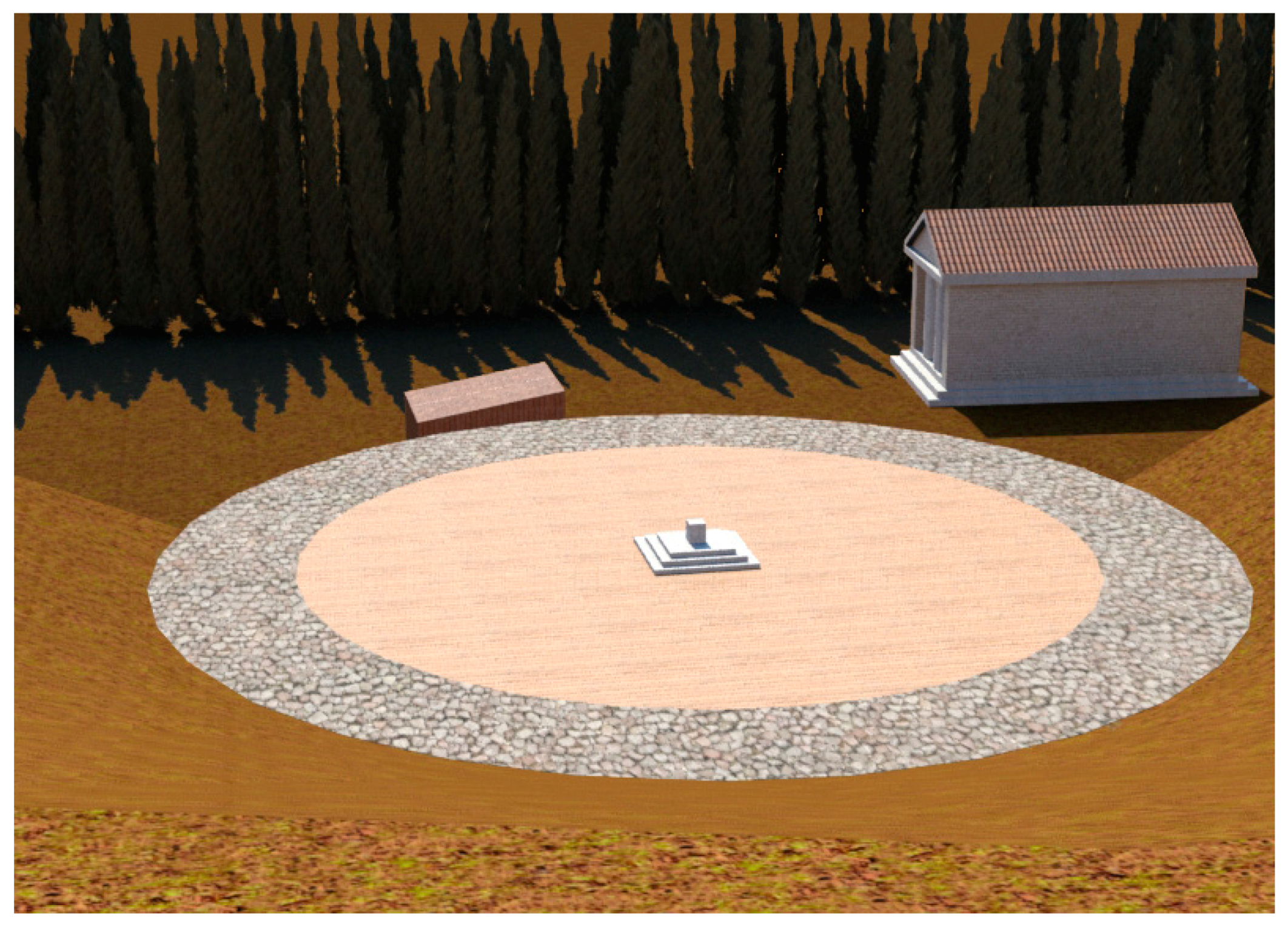
Figure 2. Representation of Dionysus theatre from the koilon at the time of "Oresteia" (460 BC).
Figure 2. Representation of Dionysus theatre from the koilon at the fourth dimension of "Oresteia" (460 BC).
Effigy three. Representation of Dionysus theatre from the koilon (menstruation 430–415 BC).
Figure iii. Representation of Dionysus theatre from the koilon (period 430–415 BC).
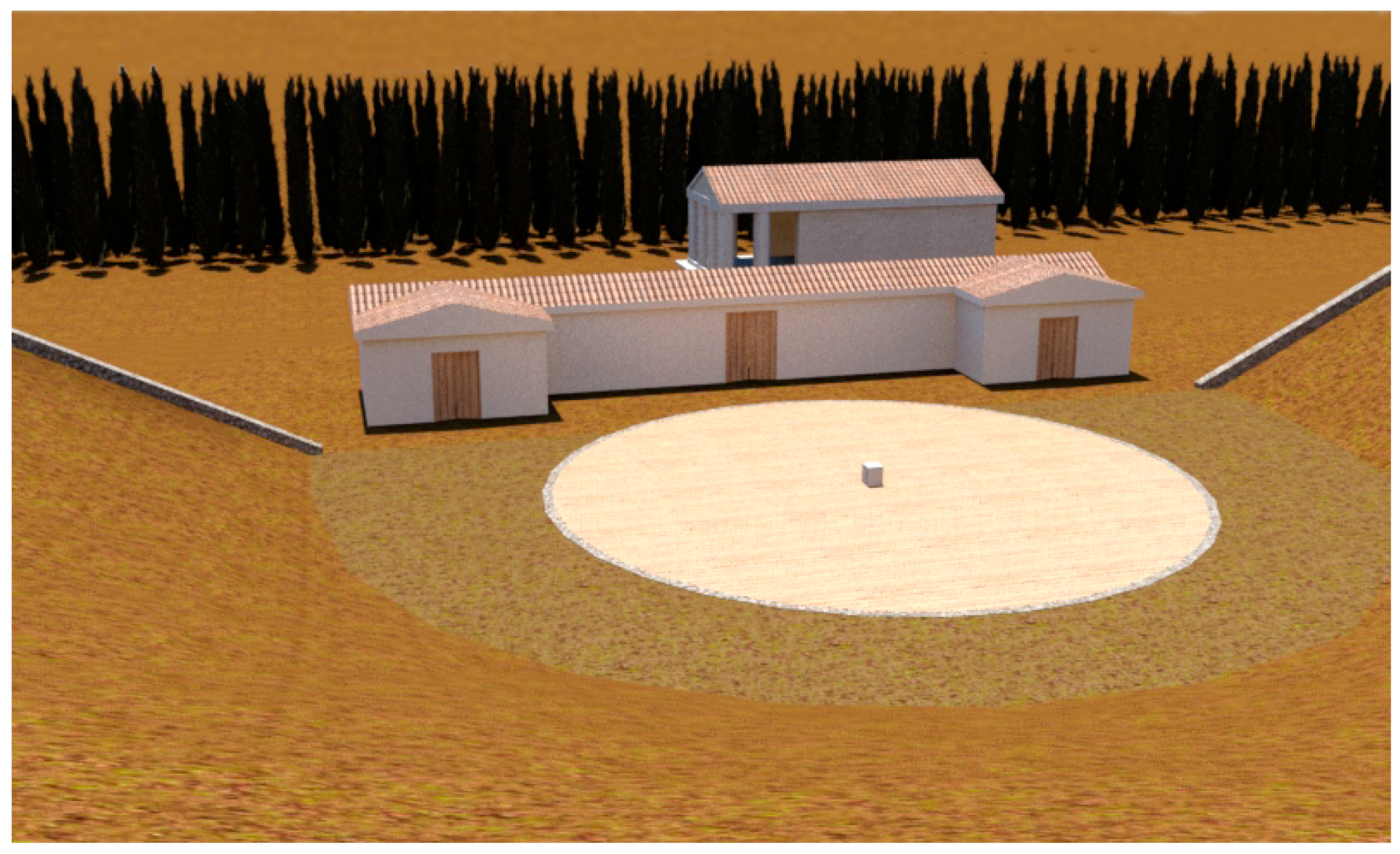
Figure 4. Representation of the theatre of Dionysus from the koilon (after 415 BC).
Effigy 4. Representation of the theatre of Dionysus from the koilon (later 415 BC).
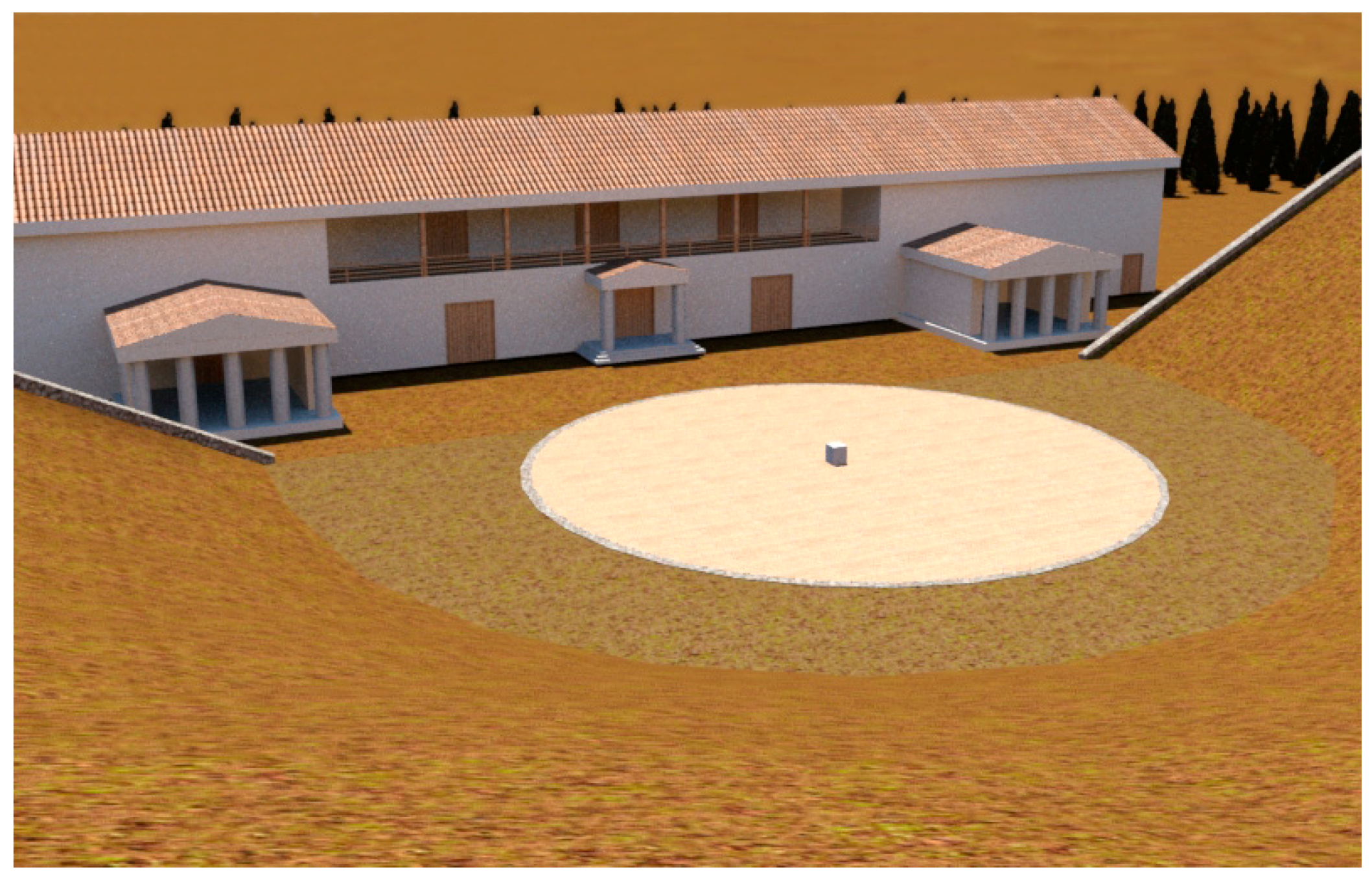
Figure 5. The distribution of the theatres of the sample (the alphabetize number for each theatre in the Table ane).
Figure 5. The distribution of the theatres of the sample (the index number for each theatre in the Table i).
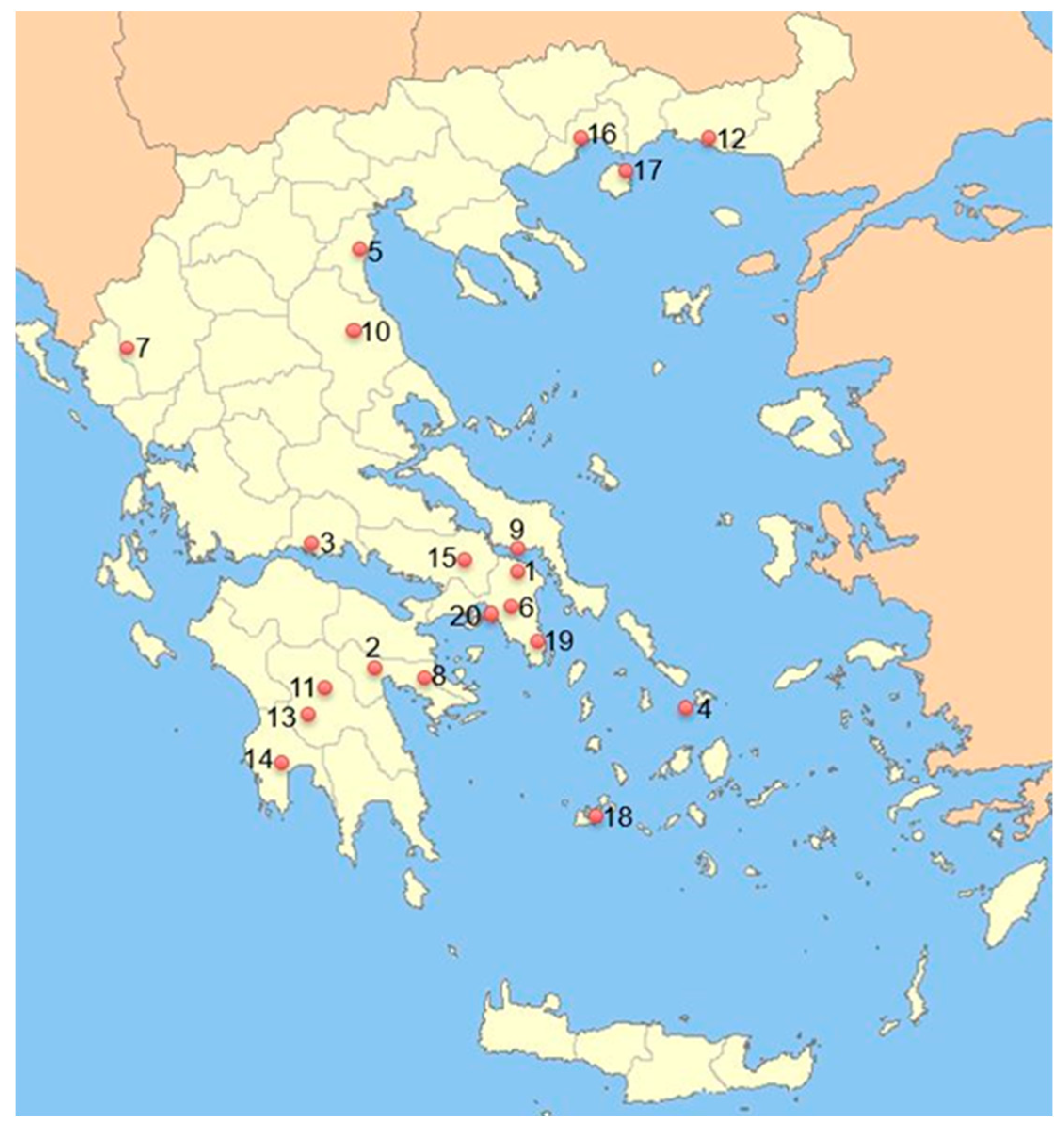
Figure 6. Measured intensities of various racket sources.
Effigy 6. Measured intensities of various noise sources.
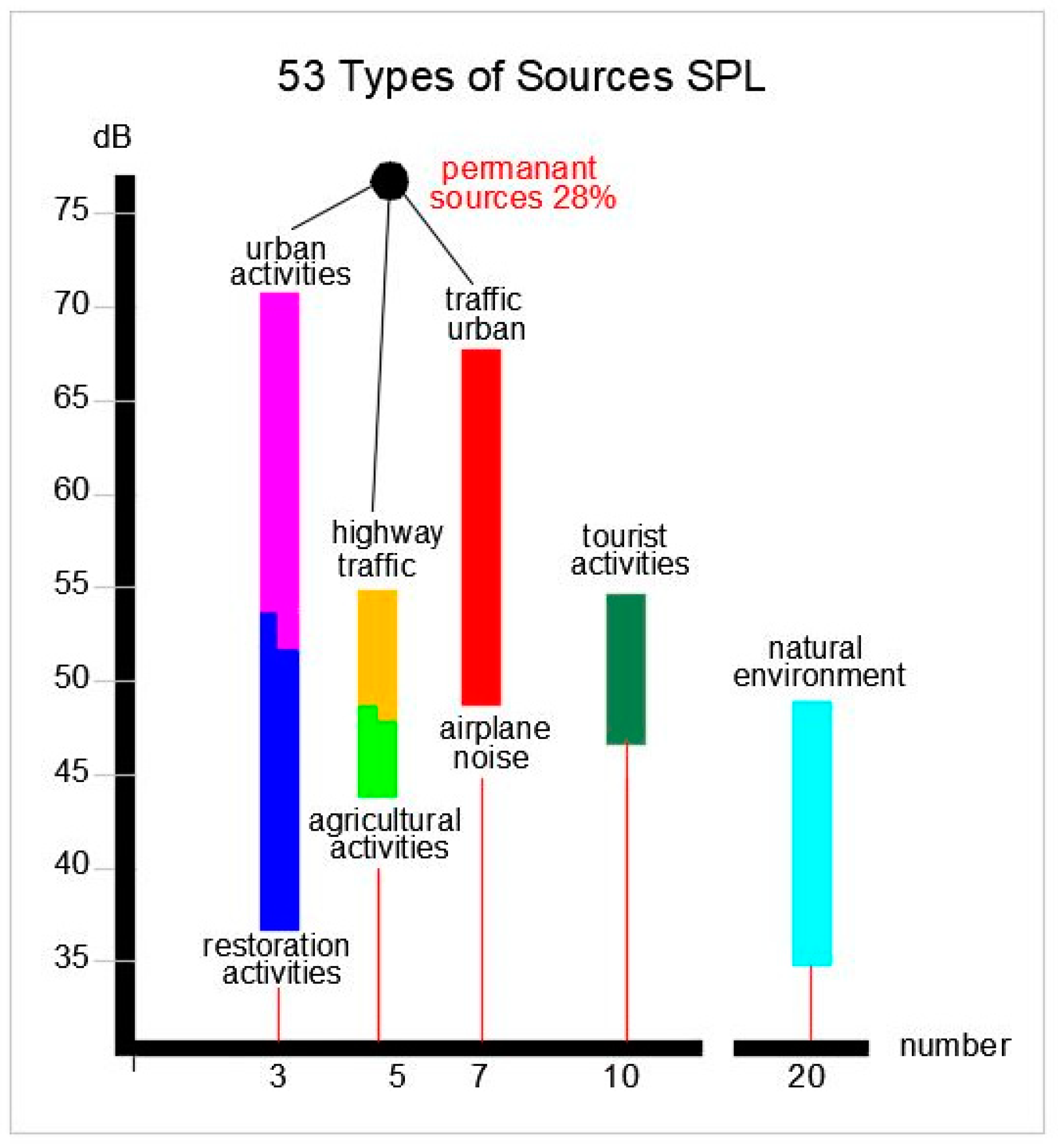
Figure 7. The acoustic comfort for min/max predicted values.
Figure 7. The acoustic comfort for min/max predicted values.
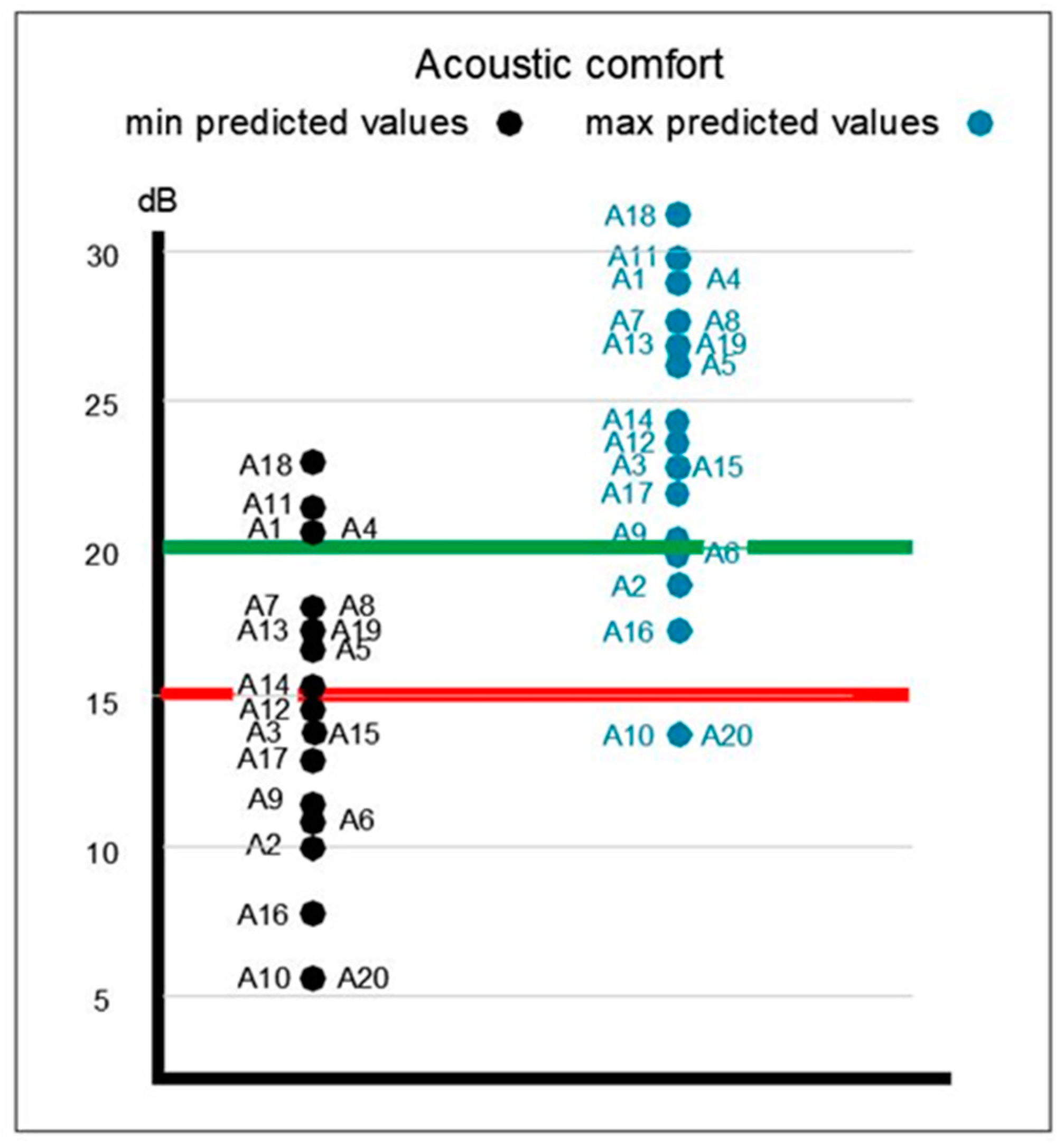
Figure 8. The current status of the scenes in the theatres of the sample.
Figure eight. The current status of the scenes in the theatres of the sample.
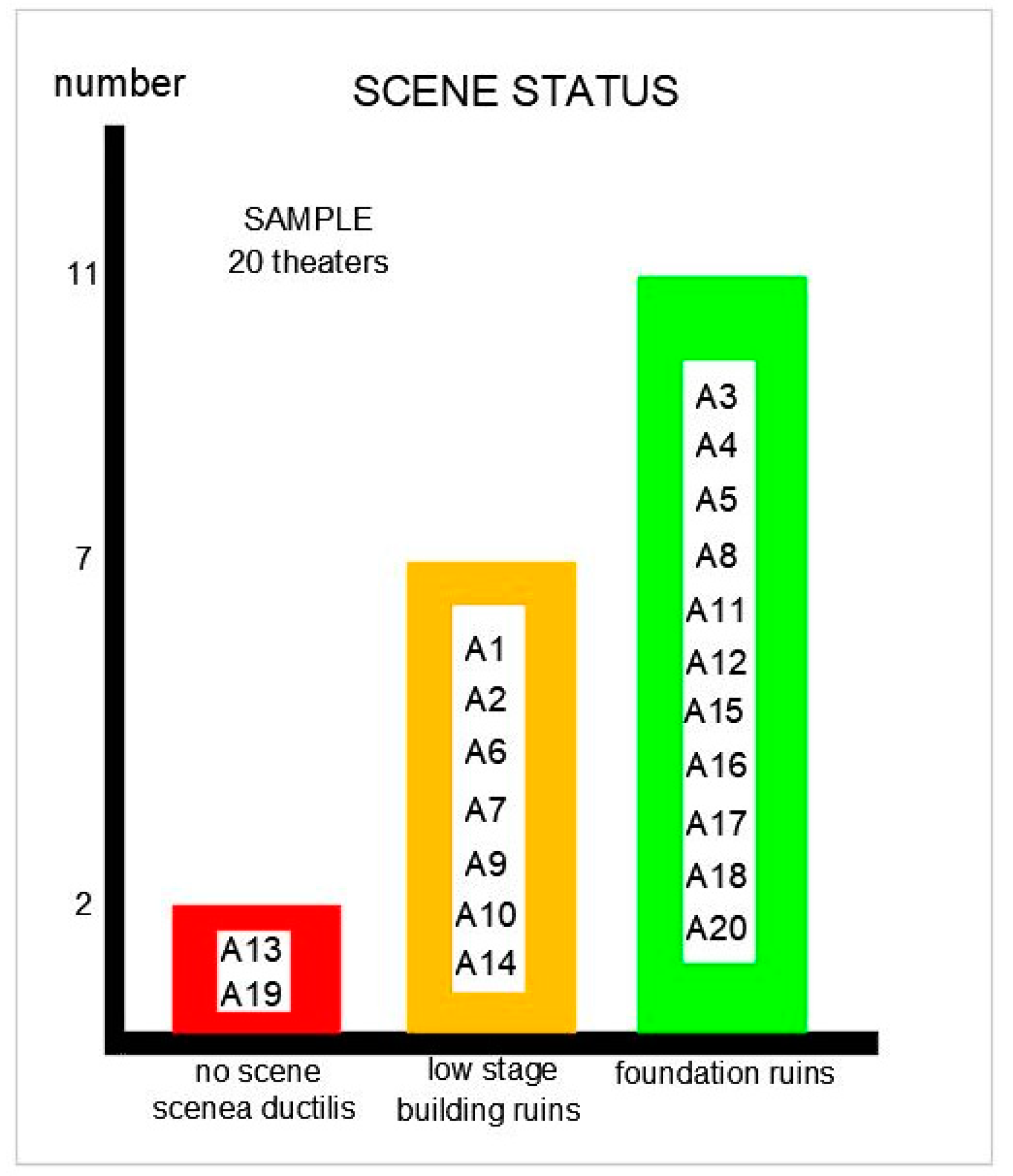
Table 1. The sample of twenty (20) ancient Greek theatres.
Table ane. The sample of twenty (20) aboriginal Greek theatres.
| Index | Theatre | Contemporary Location/Type of Noise | Racket Sources | Min SPL |
|---|---|---|---|---|
| 1 | Amph. Oropos | natural/occasional | traffic 37/birds 41 | 32 |
| 2 | Argos | urban/permanent | urban activities 43/traffic 46 | 37 |
| 3 | Delphi | semi urban/occasional | traffic 46/tourist activities l | 34 |
| 4 | Dilos | natural/occasional | wind 40 | 27 |
| 5 | Dion | natural/occasional | birds 36/agricultural activities 39 | 31 |
| vi | Ath. Dionysus | urban/permanent | traffic 45/tourist activities 54 | 38 |
| 7 | Dodoni | natural/occasional | wind 34/restoration activities 36 | 27 |
| viii | Epidauros | natural/occasional | air current 36/tourist activities 46 | 27 |
| 9 | Eretria | semi urban/permanent | urban activities 41/traffic 47 | 39 |
| 10 | Larisa | urban/permanent | urban activities 45, traffic 62 | 43 |
| eleven | Mantineia | natural/occasional | restoration act. 41/plane dissonance 48 | 32 |
| 12 | Maroneia | natural/occasional | wind 45/agricultural activities 68 | 37 |
| xiii | Megalopolis | natural/occasional | restoration activities 35/wind 41 | 32 |
| xiv | Messini | natural/occasional | wind 40/agricultural activities 46 | 35 |
| fifteen | Orchomenos V | semi urban/permanent | religious activities 46/traffic 57 | 38 |
| 16 | Philippi | semi urban/permanent | current of air 44/traffic 52 | xl |
| 17 | Thasos | natural/occasional | air current 38/coastal action 44 | 36 |
| eighteen | Thira | natural/occasional | wind 38/aeroplane noise 58 | 29 |
| 19 | Thorikos | natural/occasional | birds 37/wind 48 | 34 |
| 20 | Zea Piraeus | urban/permanent | traffic 52/plane dissonance 67 | 44 |
© 2019 past the author. Licensee MDPI, Basel, Switzerland. This commodity is an open access article distributed nether the terms and atmospheric condition of the Creative Commons Attribution (CC BY) license (http://creativecommons.org/licenses/past/iv.0/).
catalanoshery1976.blogspot.com
Source: https://www.mdpi.com/2624-599X/1/1/18/htm
0 Response to "The Art of Theater a Concise Introduction Greek and Roman Stages"
Post a Comment